
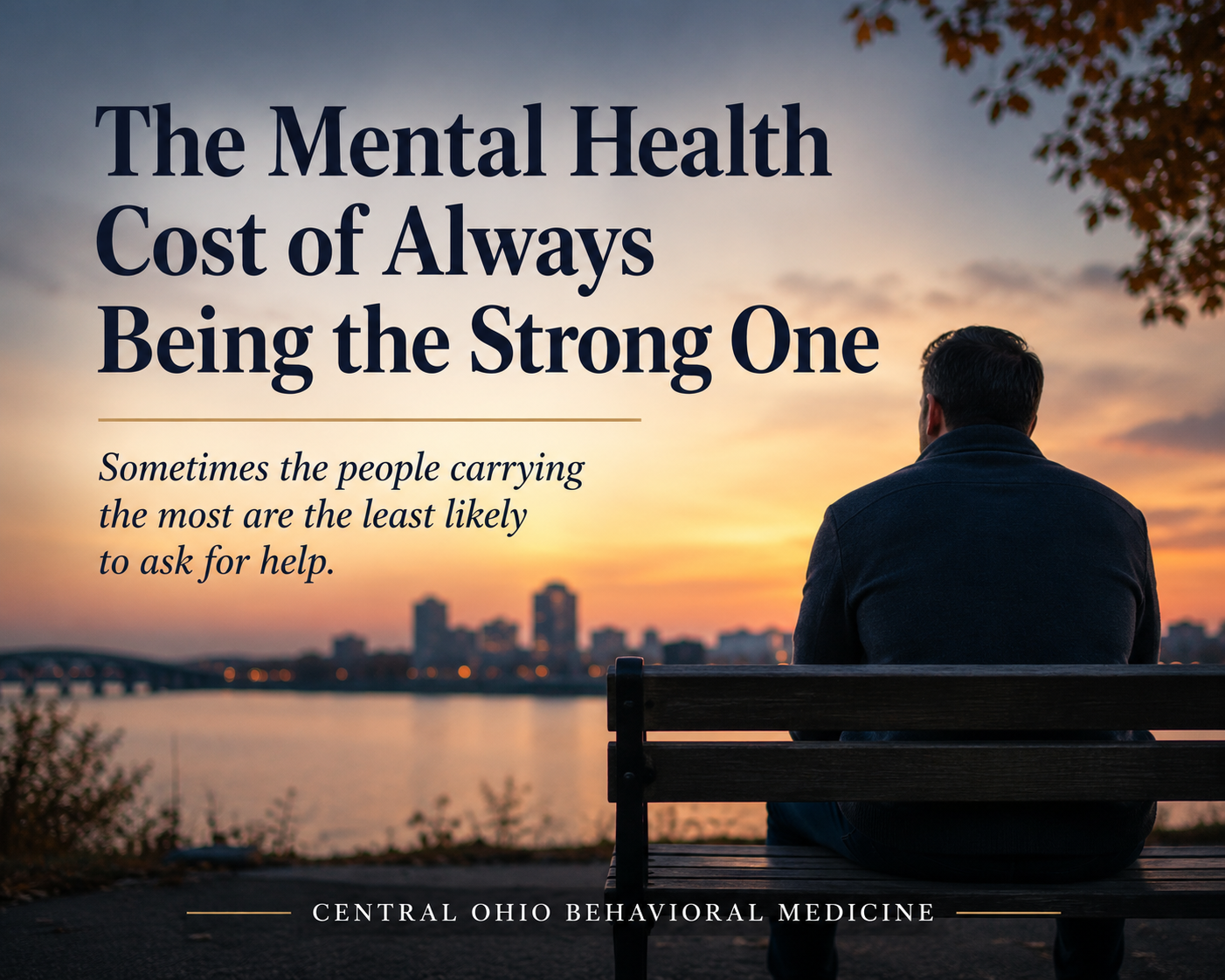
Every family, workplace and group of friends seems to have one.
The person everyone depends on.
The one who stays calm during a crisis, solves problems, takes care of others, and somehow keeps moving forward no matter what life throws at them.
Maybe that person is you.
From the outside, these individuals often appear resilient and capable. Because they handle so much, people naturally assume they are doing fine.
Over the years, one thing has become clear to me: the people everyone depends on are often the people least likely to talk about what they are carrying themselves.
They are focused on everyone else’s needs. Their own concerns get pushed aside.
After a while, that can become a lonely place to live.
Many people become so accustomed to being the helper that they rarely stop to consider what they need themselves. They keep showing up. They keep taking care of responsibilities. They keep putting one foot in front of the other.
What often goes unnoticed is the emotional cost of doing that for too long.
Some become exhausted. Others become anxious, irritable or emotionally disconnected. Some begin experiencing symptoms of depression without fully recognizing what is happening.
Strong people often struggle to ask for help.
They are comfortable giving support.
Receiving it is another story.
Many even feel guilty when they need something from others. They worry about becoming a burden or letting people down.
What makes this even harder is that many become so identified with being the strong one that they stop noticing their own exhaustion. They assume everyone feels this way. They assume they simply need to push a little harder.
Sometimes the problem is not a lack of strength.
Sometimes it is carrying too much for too long.
The reality is that strength does not mean carrying everything alone.
Everyone has limits. Everyone needs support. Everyone benefits from having people they can lean on during difficult times.
Taking care of yourself is not a sign of weakness. In many cases, it is what allows you to continue being there for the people who matter most.
Sometimes the strongest thing a person can do is admit that they are struggling and allow others to help carry the weight.
Peter Zafirides
Central Ohio Behavioral Medicine